Saturday
09h00 – 11h20 · Warm-ups, 20 minutes each
Sidecars · Pre 80 Touring Cars · Pre 70 Sports Cars · Pre 90 Touring Cars · SATT Motorcycles · F1 Grand Prix · SATC
Racing from 11h20
Fastest in-lap on Saturday is your grid position for Sunday.

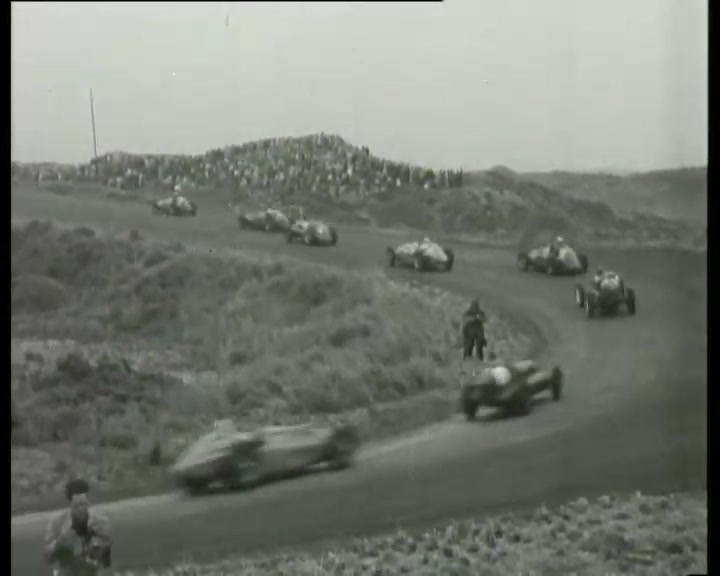
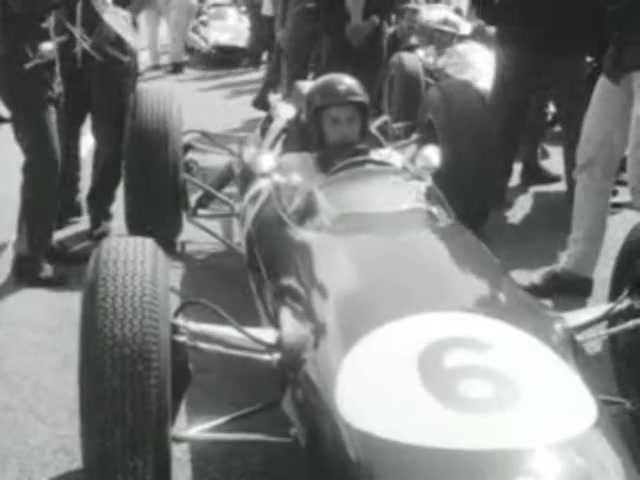
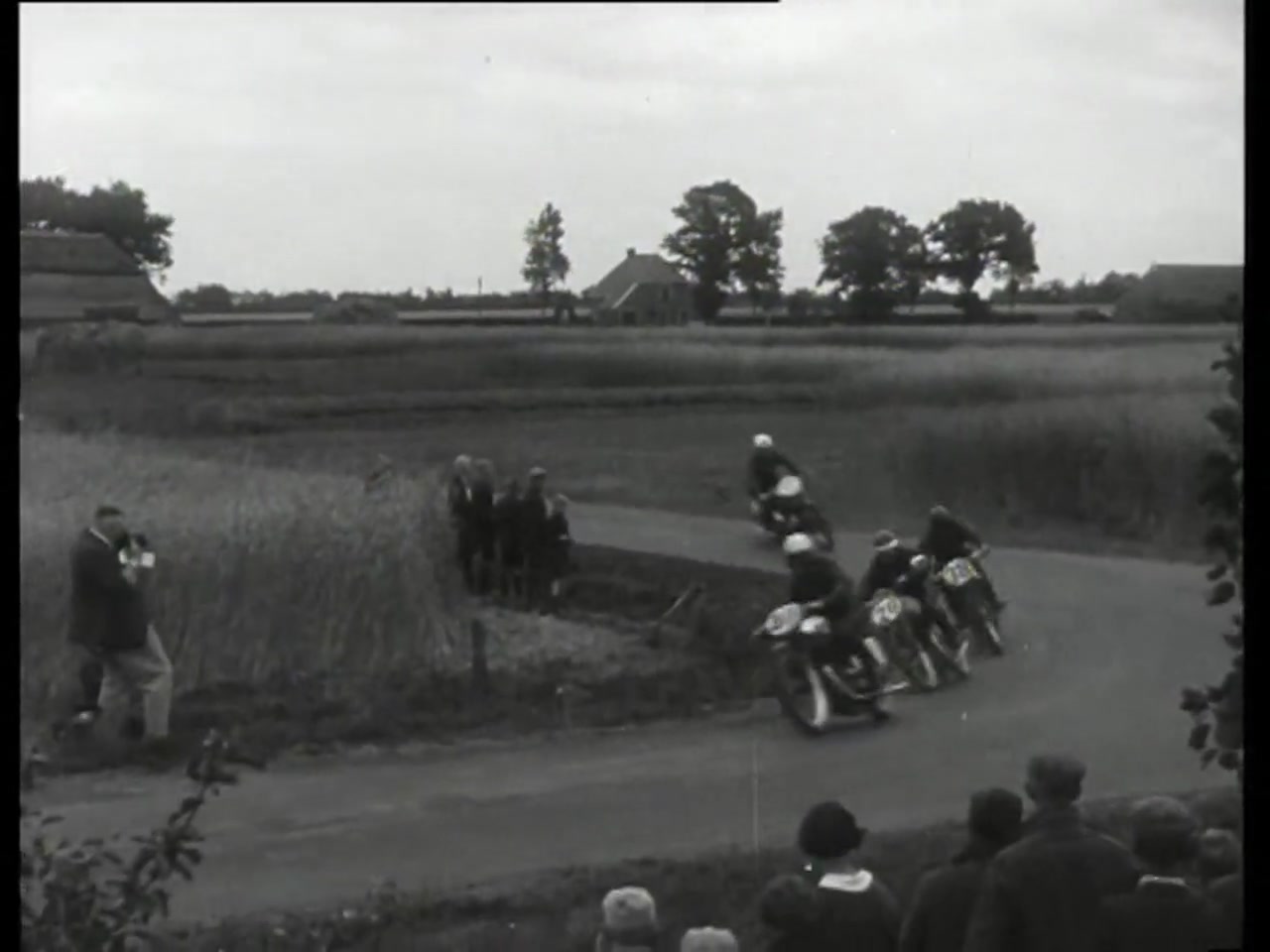
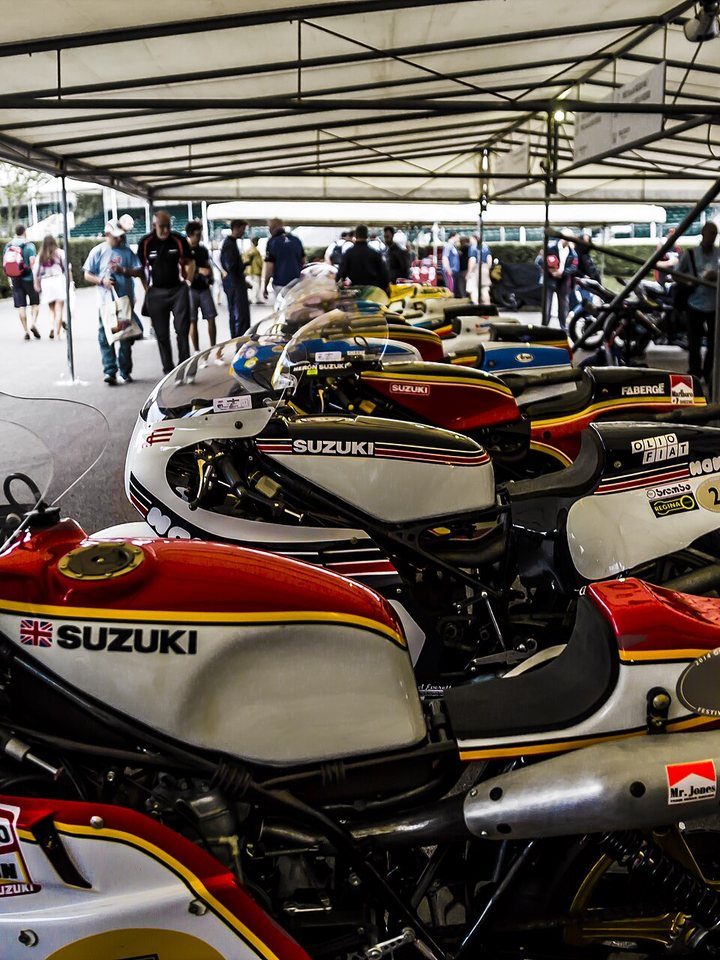
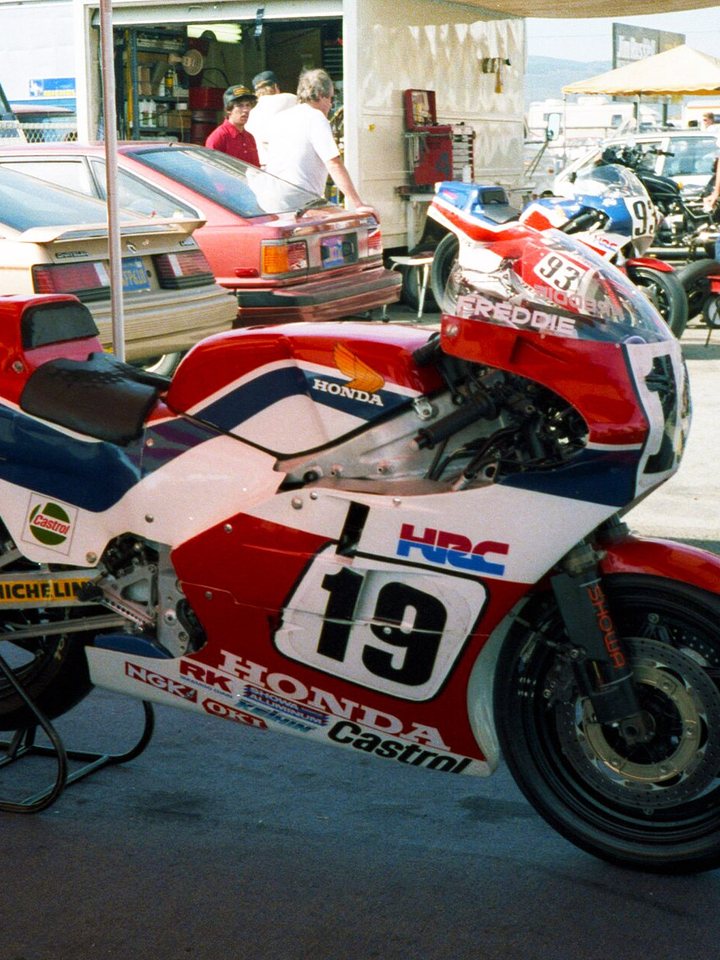
Period Grand Prix / Historic TT · illustrative — not Killarney, not the 2027 field
IHonouringthe spirit of performance
IIEmbracingthe challenge of competition
IIIRevivingthe pinnacle of Motorsport
For a few summers in the early sixties, the works Grand Prix teams came south. They raced the Rand, Natal and East London, and they raced Killarney, on a circuit laid out on the flats north of the city with the mountain behind it.
Then the season moved on and never came back. The circuit is still there, and still races.
AG Capital is bringing the meeting back. Not a parade and not a static display: the Historic Grand Prix Cars Association brings a full field of pre-1966 Grand Prix cars, the Classic TT names bring the two-strokes, and everything on the entry is raced.
Two days of racing, one circuit, and one car on the grid that was here the first time.
Saturday’s fastest in-lap sets the grid for Sunday. The Formula 1 Grand Prix is the main event on both days, and closes Sunday’s programme at 16h00.
09h00 – 11h20 · Warm-ups, 20 minutes each
Sidecars · Pre 80 Touring Cars · Pre 70 Sports Cars · Pre 90 Touring Cars · SATT Motorcycles · F1 Grand Prix · SATC
Racing from 11h20
Fastest in-lap on Saturday is your grid position for Sunday.
Racing from 09h00
Sidecars · Pre 80 Touring Cars · SATC · Pre 90 Touring Cars · SATT Motorcycles · F1 Grand Prix · Pre 70 Sports Cars
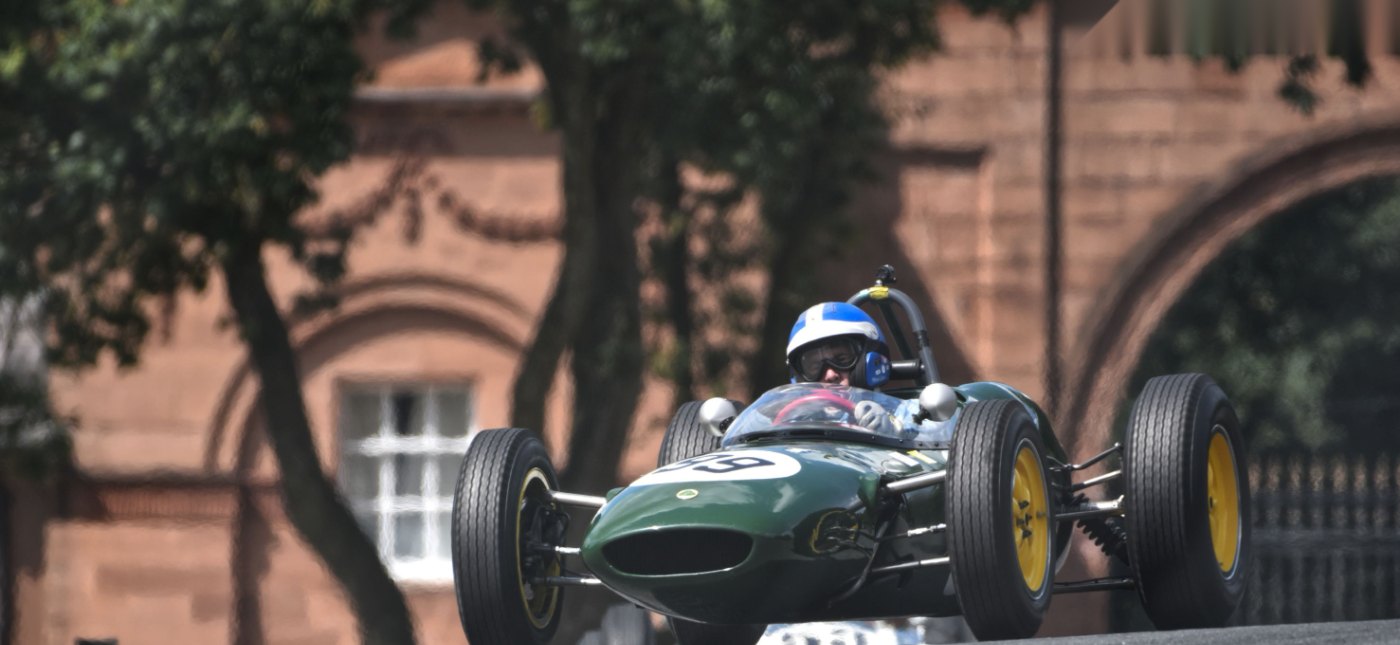
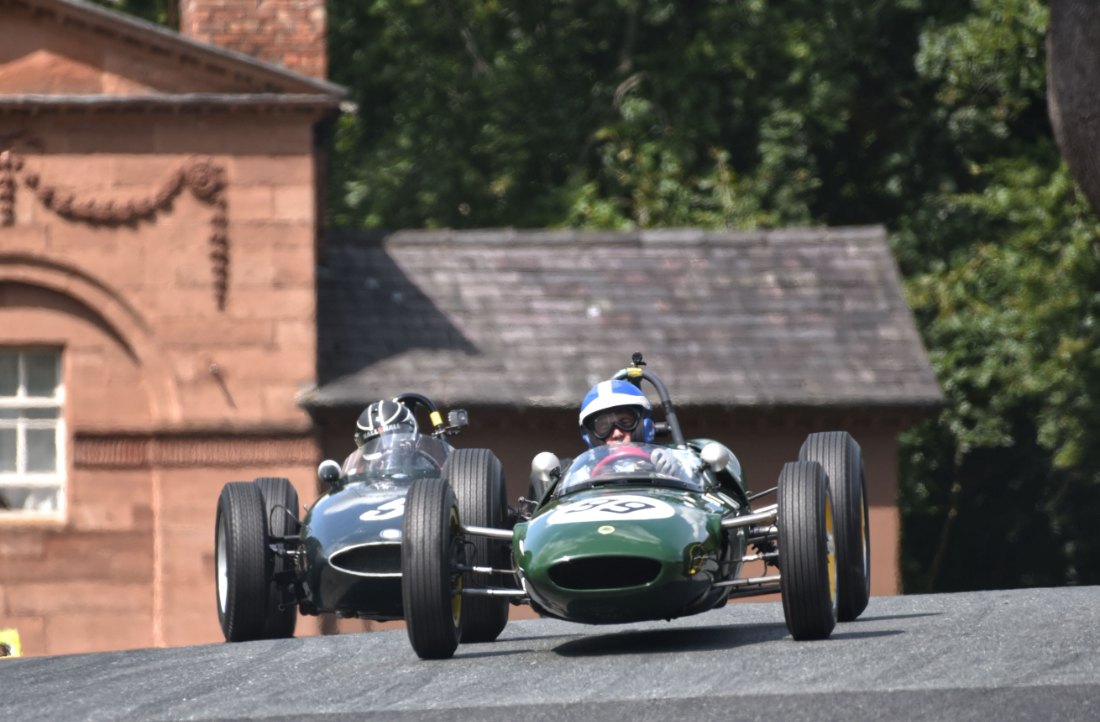
Chassis 937 in its restored Team Lotus livery · photographs by Alan Raine, CC BY 2.0
Lotus 21 Chassis 937Car 99 · Class 10a · Mark Shaw · Lotus 21, chassis 937
Clark won two world championships and twenty-five Grands Prix, and took the Indianapolis 500 in 1965. Many who watched him still name him the finest driver who ever sat in a car. On 2 January 1962 he drove this Lotus 21 at Killarney and finished second. On 6 February 2027 the same chassis takes the same grid.
The Historic Grand Prix Cars Association brings the field. It spans the 1952 two-litre cars through to the pre-1966 Tasman machines, which means a 4.1-litre Indianapolis roadster on the same circuit as a 1.5-litre Lotus. A handful worth knowing:
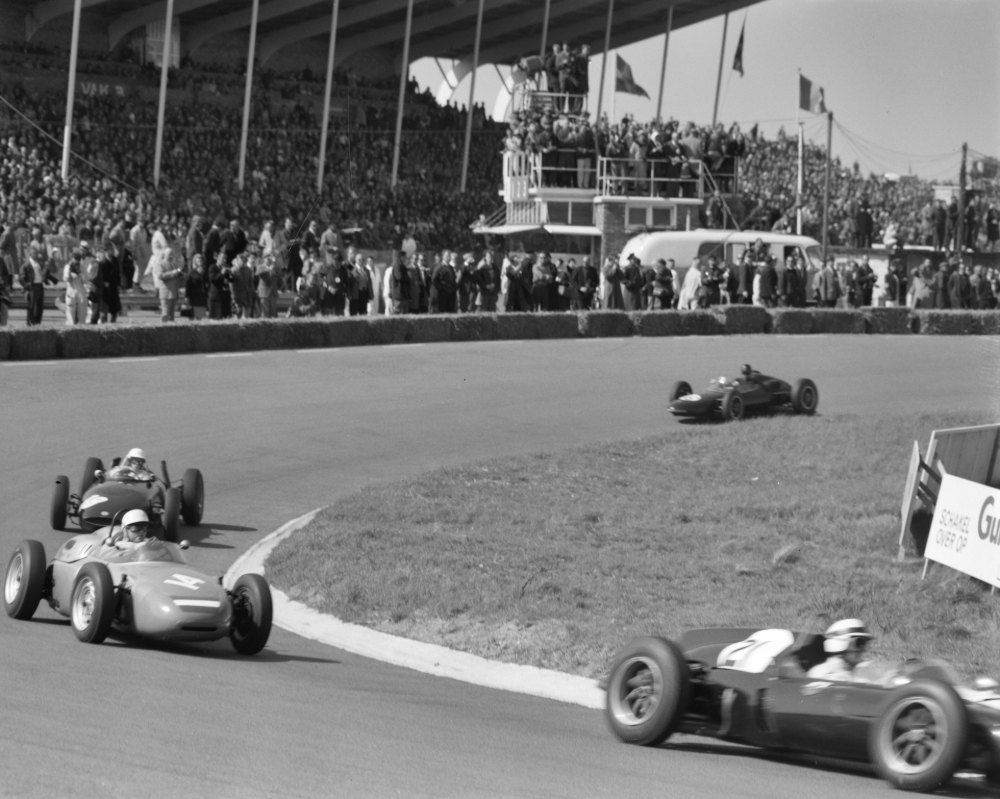 Class 7b · 1960
The car that ended the front-engine era. Jack Brabham won the 1960 championship in a T53, and every constructor followed the engine behind the driver. Four are entered.
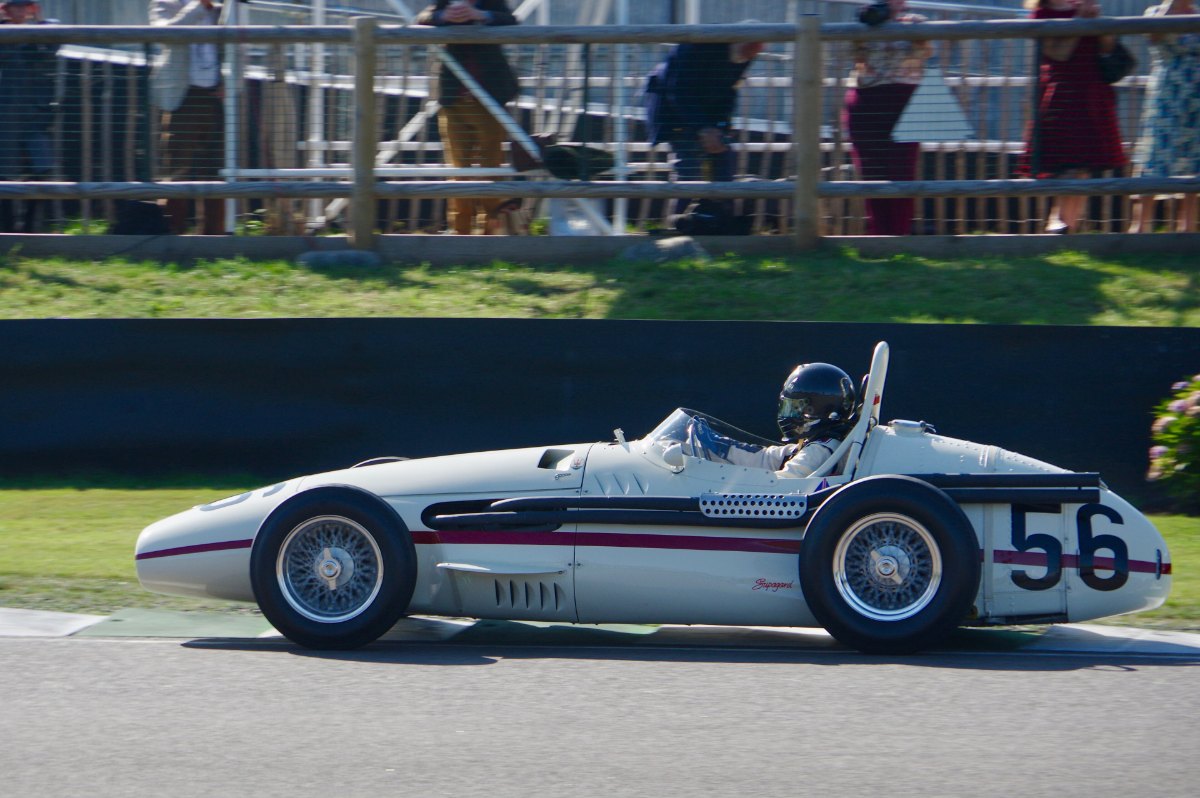 Class 6 · 1955
The definitive front-engined Grand Prix car, and the one Fangio took to the 1957 title. Only 26 were built.
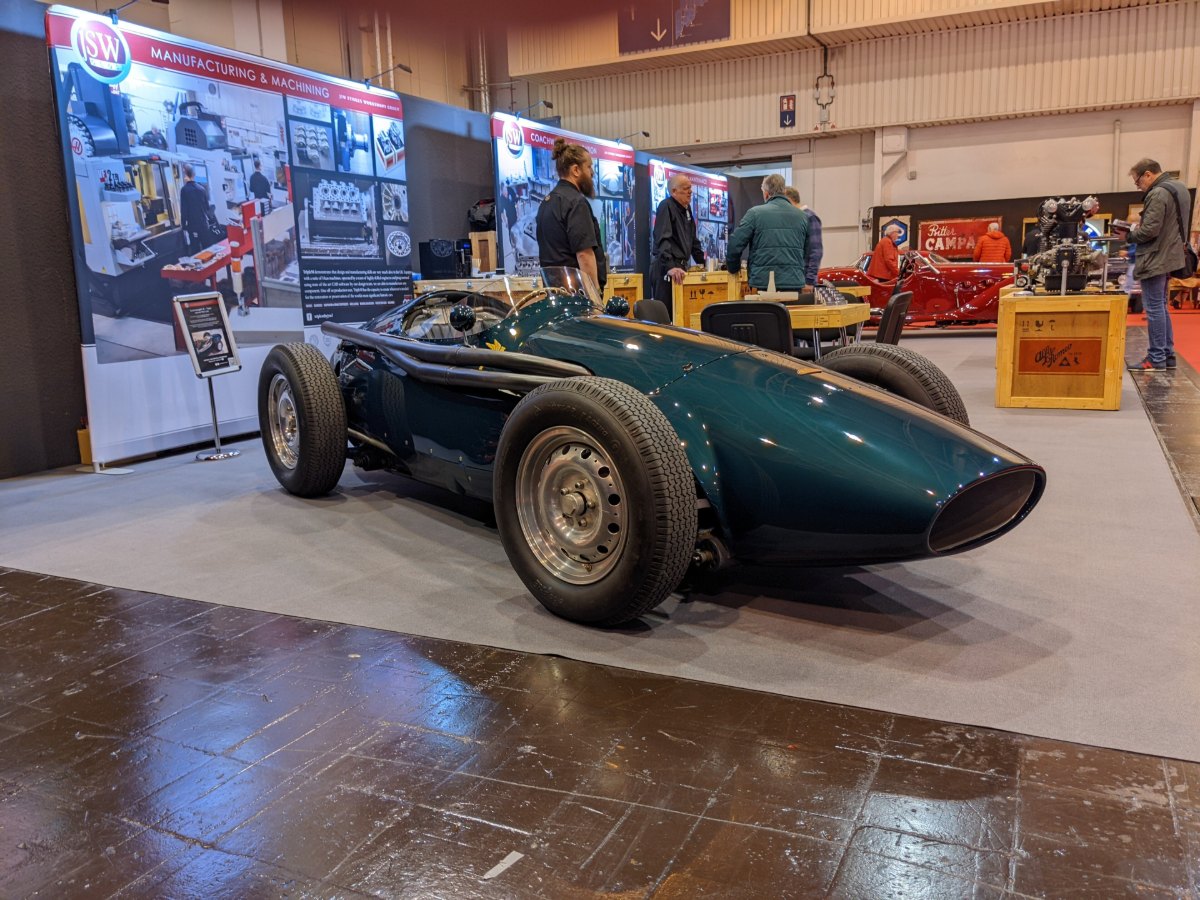 Class 6 · 1955
The marque that gave Britain its first Grand Prix win of the modern era, when Tony Brooks beat the works Maseratis at Syracuse in 1955.
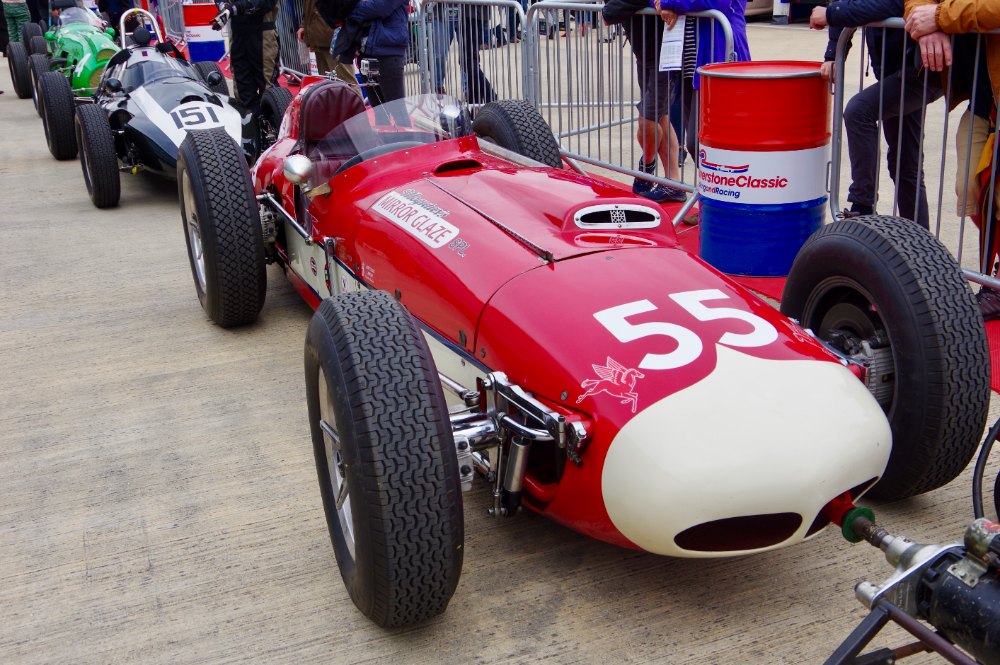 Class 8 · 1957
An Indianapolis roadster, 4.1 litres and built to turn left. Kurtis Kraft cars won the Indy 500 five times in the decade.
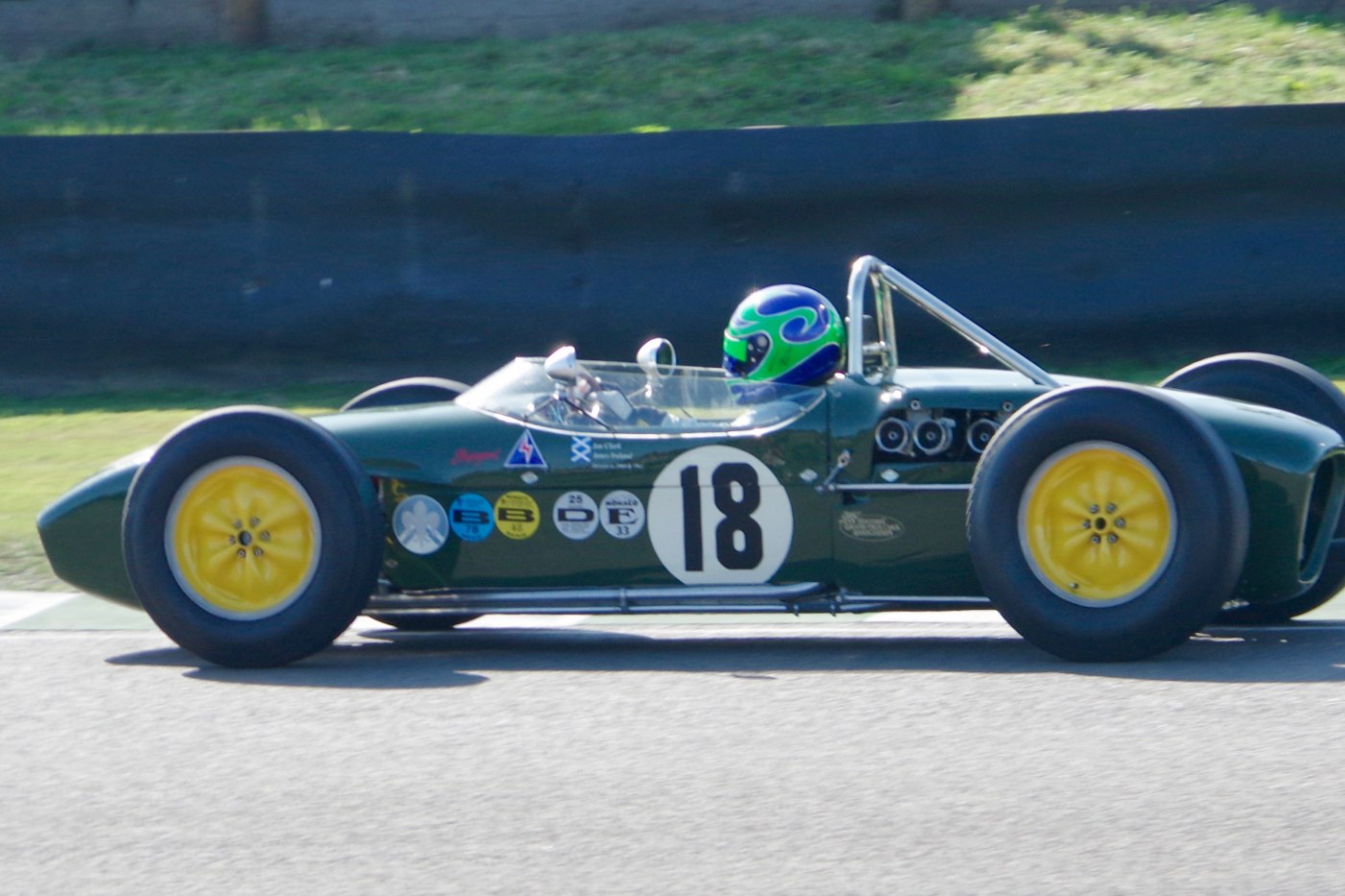 Class 10a · 1960
Chapman’s first mid-engined Grand Prix car, and the giant-killer Stirling Moss drove to victory at Monaco in 1960 for a privateer team.
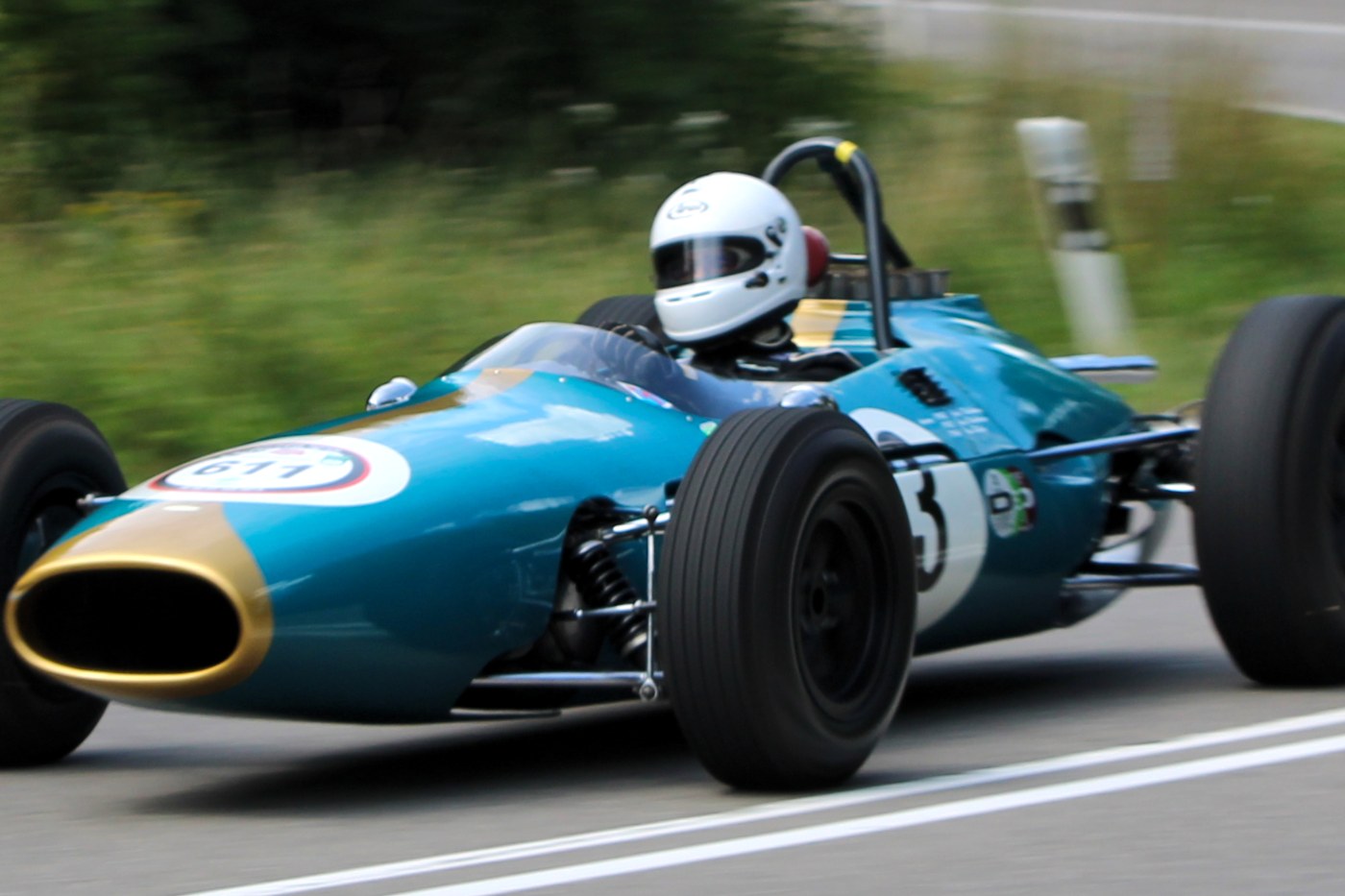 Class 12 · 1962
The first Grand Prix car Jack Brabham built under his own name, beginning the only story in which a driver wins a world championship in a car bearing it.
Entry list as at 2 September 2026, subject to change. Chassis numbers as asserted by entrants.
James Hillier, Danny Webb, Michael Dunlop, Ian Simpson and Robbie Burns with Team Classic Suzuki GB. AJ Venter and Jonny Towers from home. Steve Parrish on the Herron RG500.
The Classic TT put today’s riders on the bikes that made the Mountain Course. The names that wrote it, and the ones still writing it, taken as a race, not a parade. That is the meeting at Killarney.
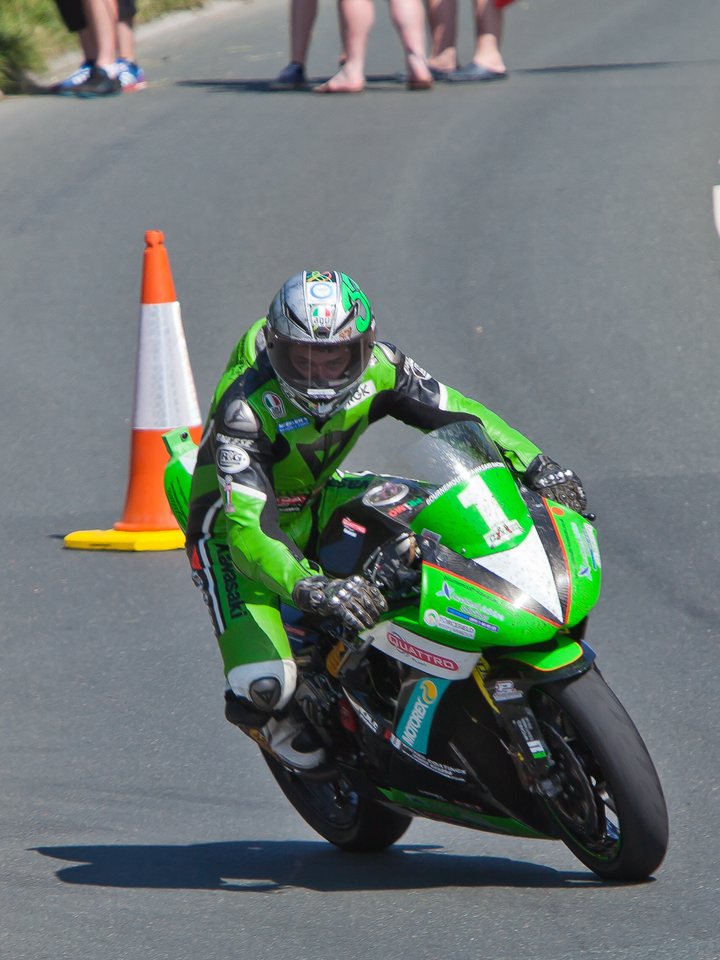
Team Classic Suzuki GB
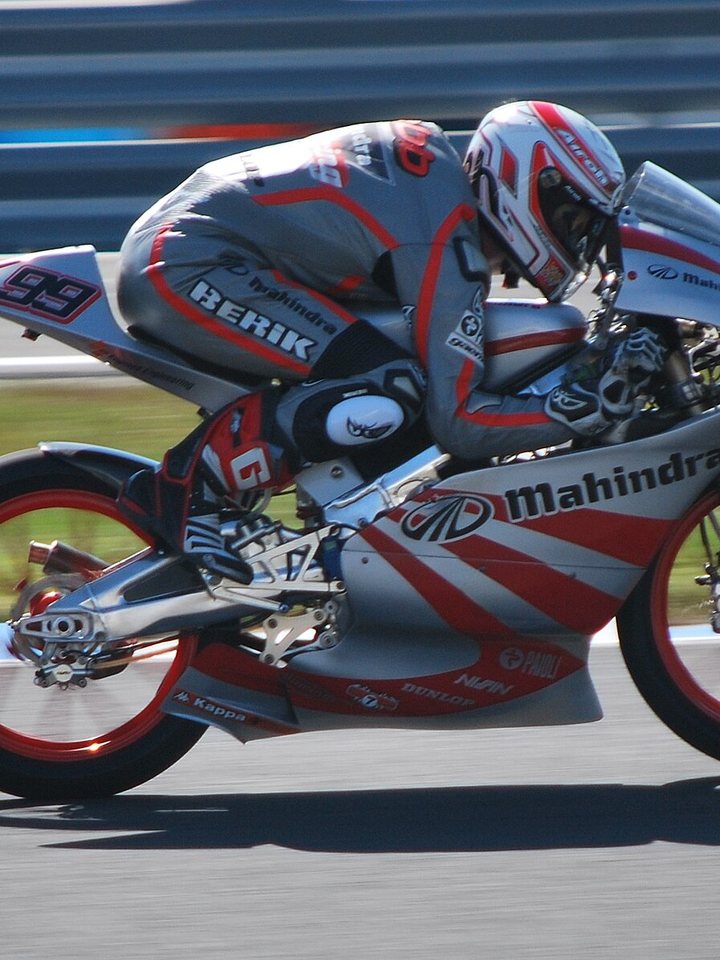
Team Classic Suzuki GB
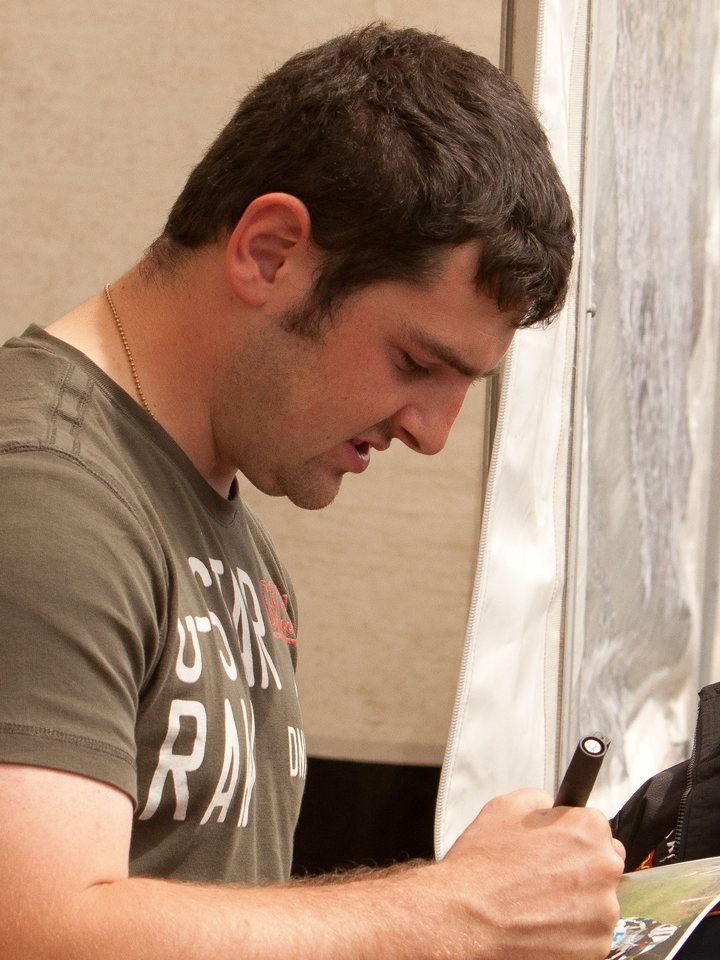
Team Classic Suzuki GB
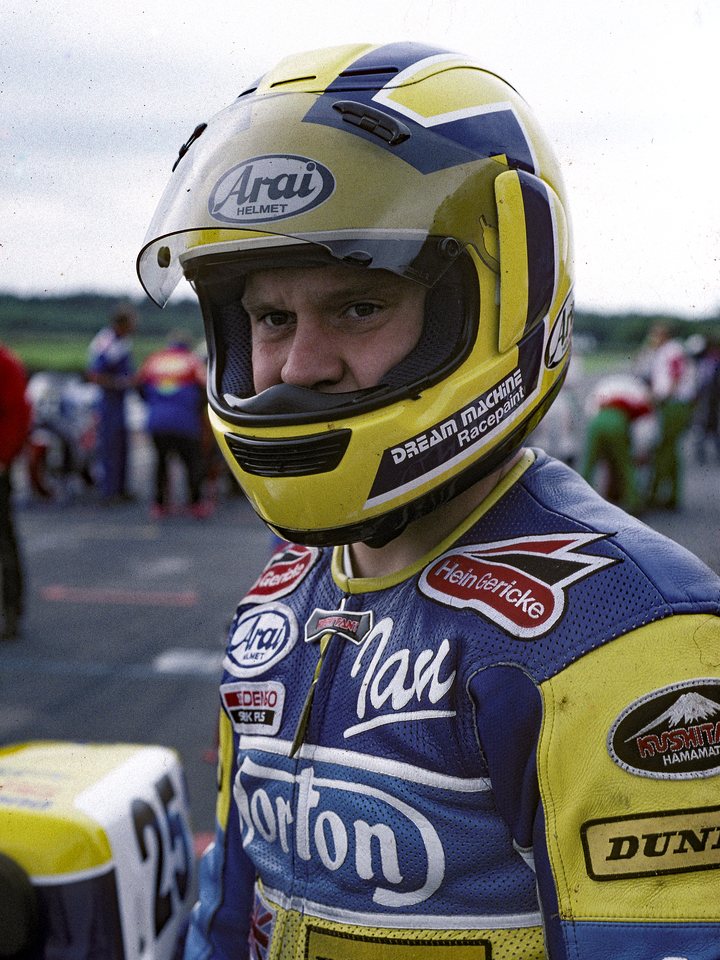
Team Classic Suzuki GB
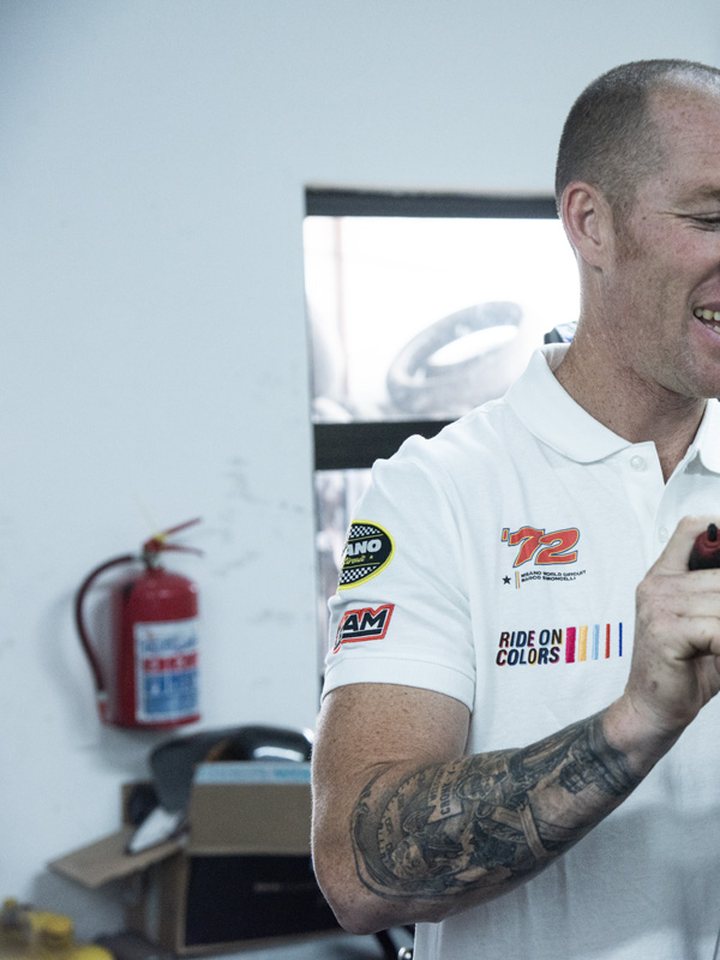
Local
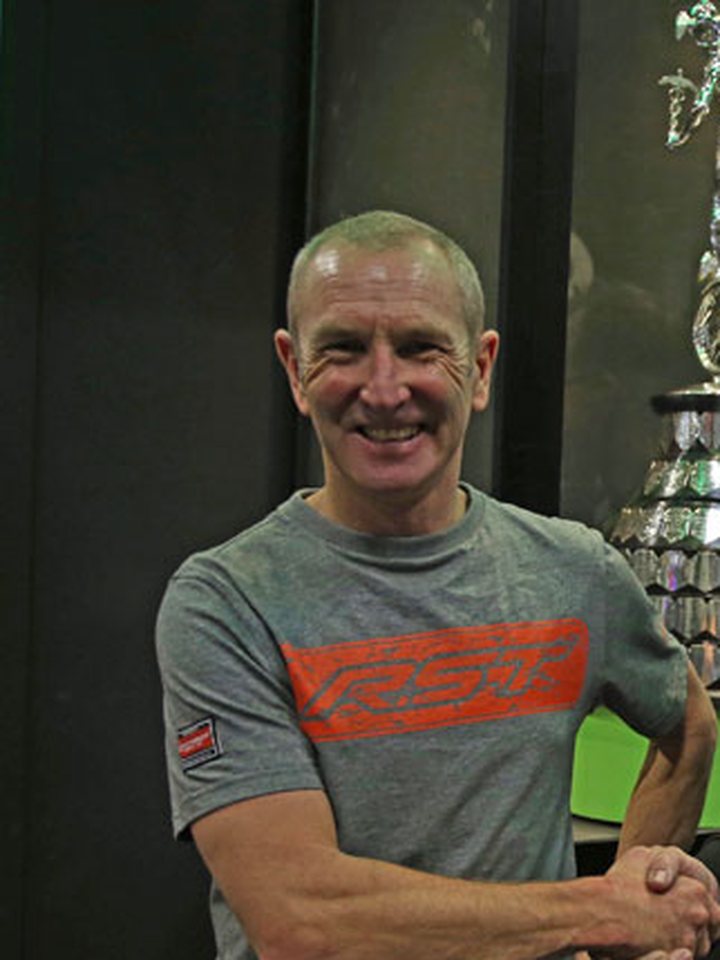
RST / 83 NS 500
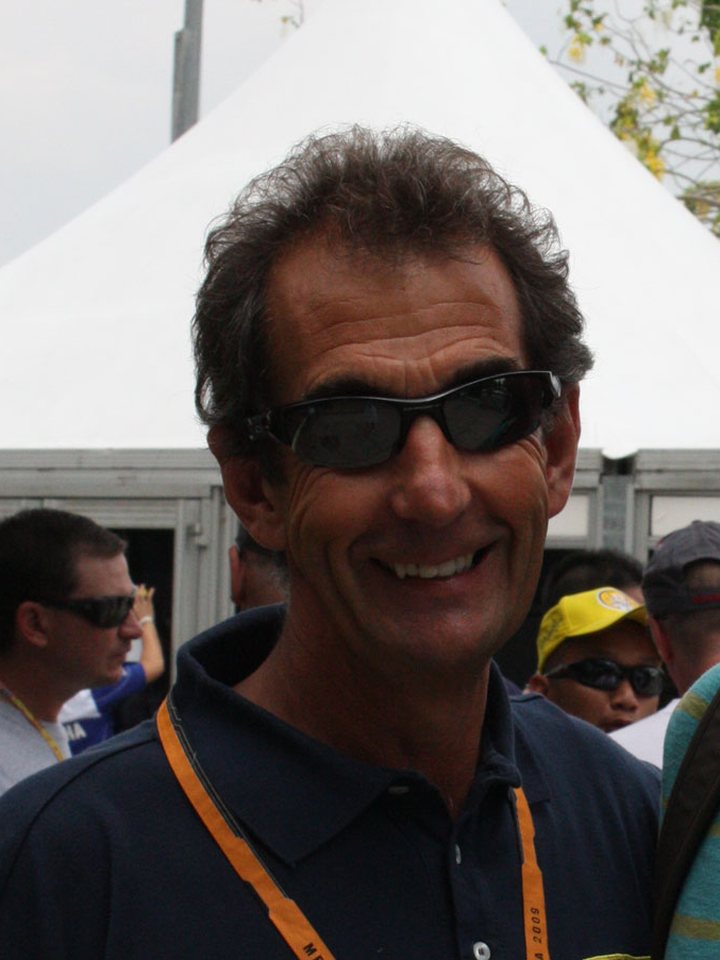
Herron RG500
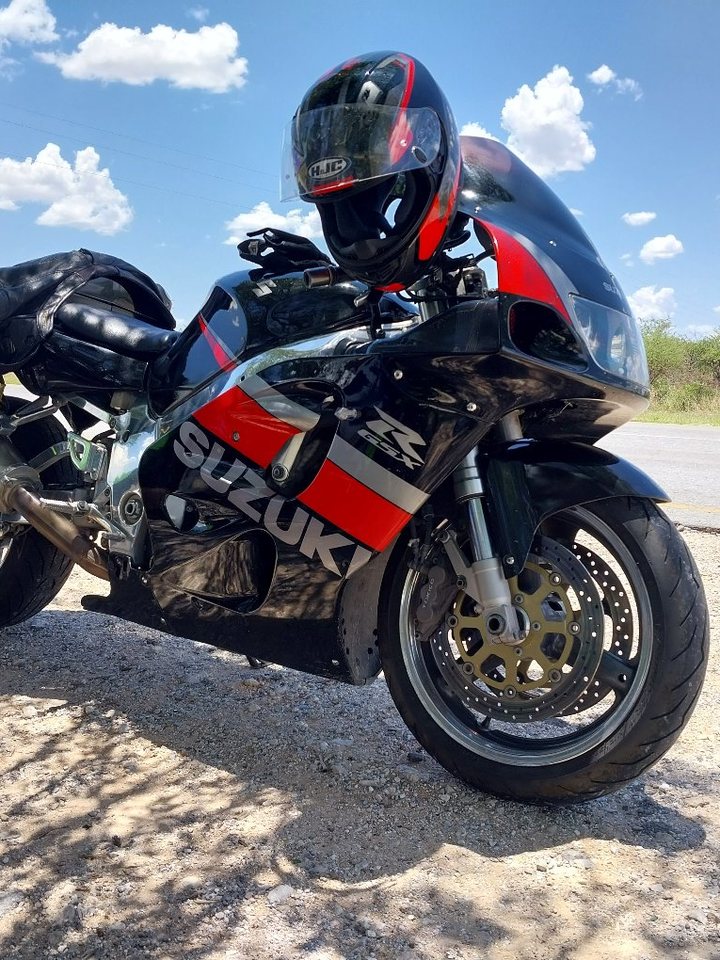
ex Frankie Chili
Steve Parrish
Jonny Towers
Public stills of the riders and machines. Type bikes are illustrative, not the 2027 entries. Robbie Burns still to follow.
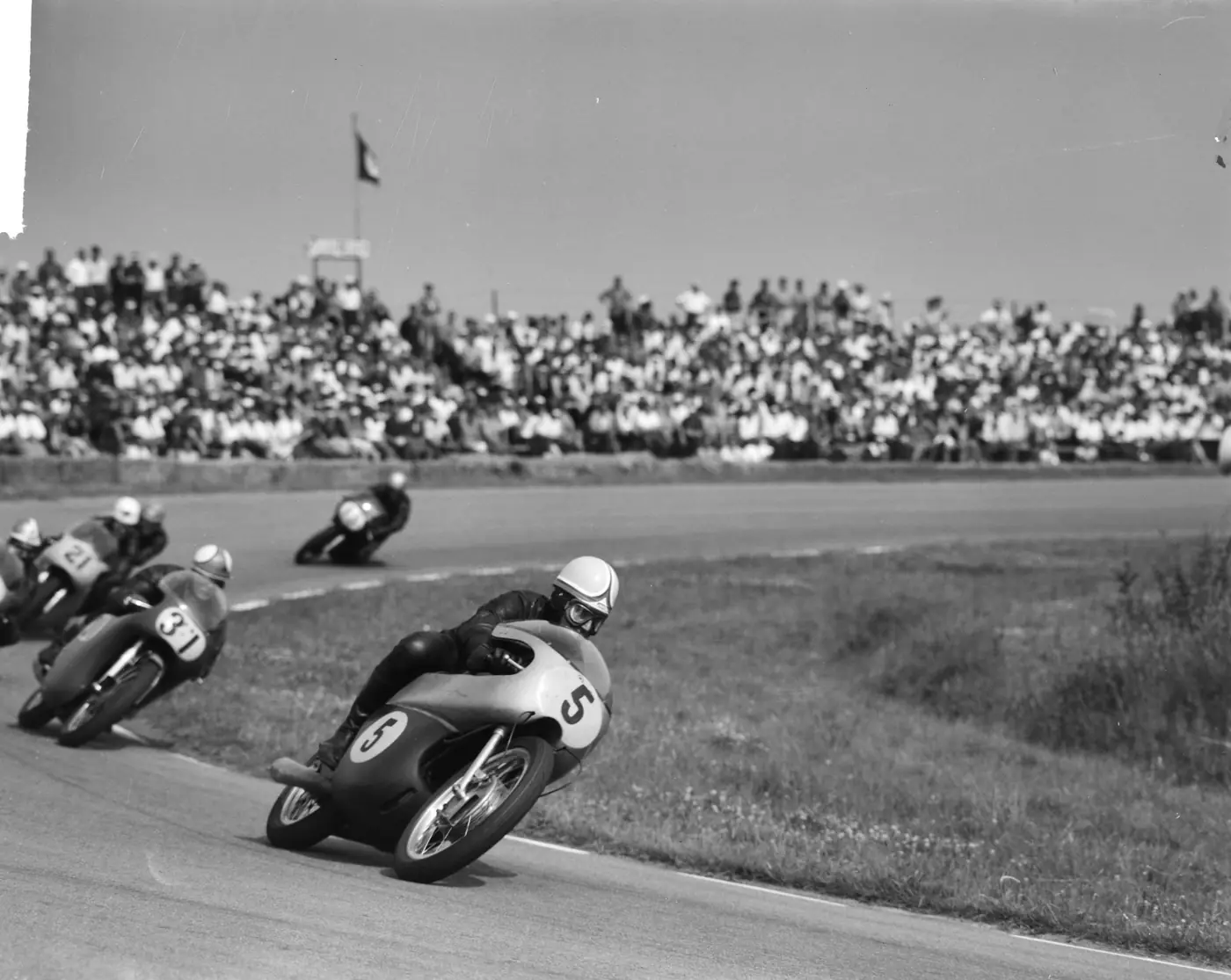
Many of our peers sponsor the arts, or team sports. We identify most with racing.
The engineering and preparation of the car, and the precision and performance of the driver, bear a close relation to what it takes to consistently outperform in markets.
We are deeply passionate about our home, Cape Town, and its rich Motorsport history. We are proud to be associated with its revival.